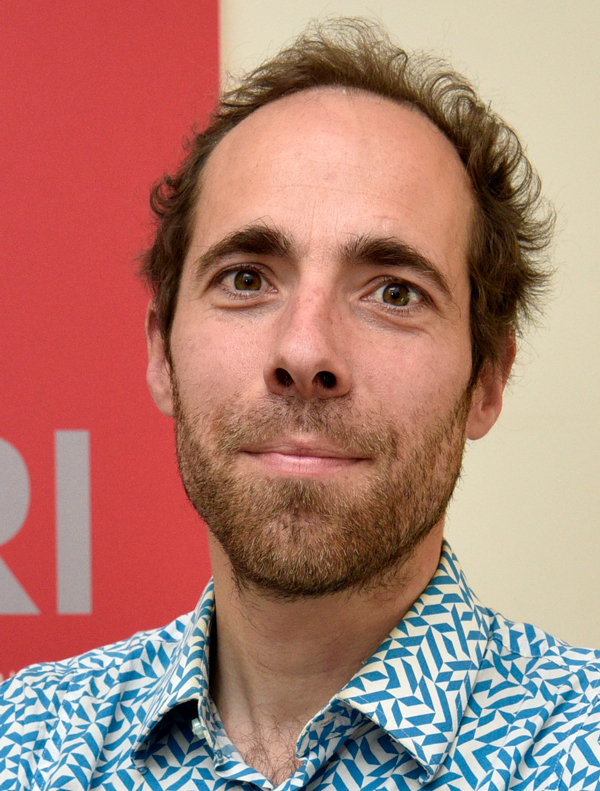
Pierre-Marie AUBERT
Dr. Pierre-Marie Aubert is the Head of the Agriculture & Food Policies Programme at Iddri. He holds a PhD in political sociology and a MSc from AgroParisTech. His work focuses on food system scenario development and the political economy of food systems transformation. He combines for that three analytical dimensions: (1) a biophysical approach to food system dynamics, that relies on biomass-balance modelling; (2) an economic approach, that models the transformations required at the farm, the industry and the consumer levels to align with biophysical targets while ensuring a just transition; and (3) a political approach, that seeks to clarify the trade-offs between political feasibility and transformative potential of different policy options. He has recently published “Vers un nouveau modèle Agricole. Quelle transition pour la France et l’Europe » (Towards a New Agricultural System: What Transition for France and Europe?), a short book that brings together these three analytical dimensions to propose a transformative pathway for the French & EU food systems.
Photo: Cédric Faimali / GFA
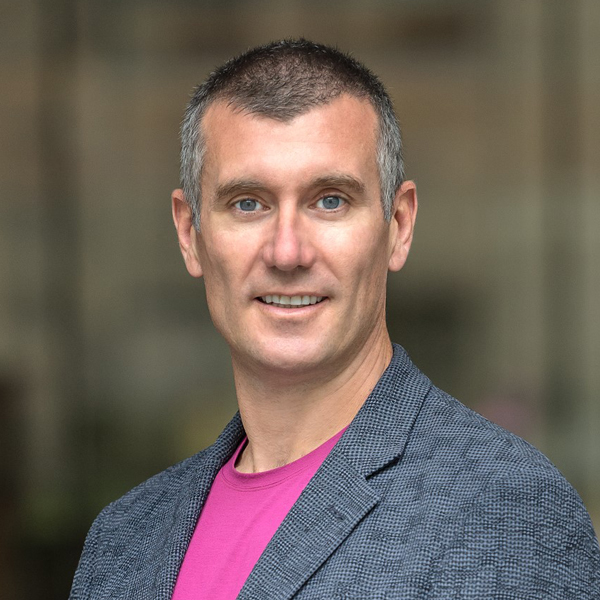
Richard BAZINET
Dr. Bazinet is Professor and Associate Chair of Research and Innovation at the University of Toronto. The overall goal of Dr. Bazinet’s research program is to identify the mechanisms that regulate brain lipid metabolism. Dr. Bazinet is the recipient of several awards, including most recently the Ralph Holman life time achievement award from the Oil Chemists’ Society (2020), the Chevreul Medal from the French Society for the Study of Lipids (2023) and the Supelco American Oil Chemists’ Research Award (2025) and the International Award from Society for Chemical Industry Research (2025). Dr. Bazinet has published over 250 papers and given over 150 invited lectures, largely in the field of brain fatty acid metabolism.
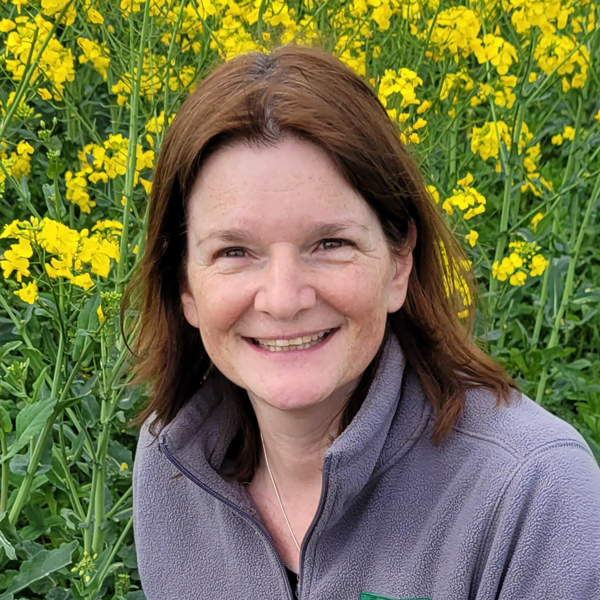
Sam COOK
Dr Sam Cook is a Principal Investigator and Deputy lead of the Agroecosystem Health and Pest Management Division at Rothamsted Research, UK, specialising in insect behavioural ecology and integrated pest management (IPM). Her work focuses on developing sustainable control strategies for key arable pests -particularly in oilseed rape- such as pollen beetle and cabbage stem flea beetle. Sam’s research explores the intersection of IPM and regenerative agriculture, with active projects on conservation biocontrol, automated detection of pests and beneficials, and addresses the urgent question: can IPM save oilseed rape? Her work spans from the laboratory to the landscape scale and bridges practical farm solutions with cutting-edge ecological science to support resilient, low-input cropping systems.
Sam leads the Crop Protection Committee of the GCIRC, was convenor of the Entomology subsection of the IOBC Working Group ‘Integrated Control in Oilseed Crops’ for 20 years and is an inaugural member of the UK BCPC Pests & Beneficials group. She is also an Associate Editor of the journal Pest Management Science – guest editing two special issues focussing on IPM in oilseed rape (Volume 80 (5) 2024, and another to be release in autumn 2026).
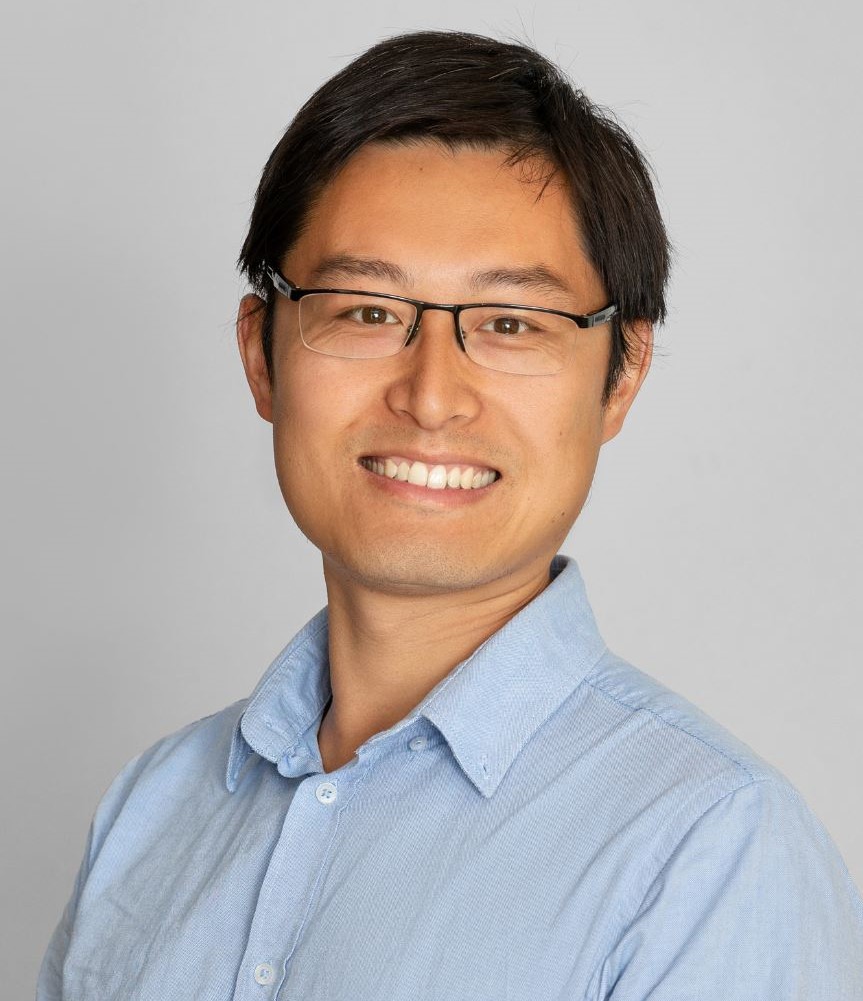
Deyang XU
Deyang Xu is an Associate Professor and research group leader in Department of Plant and Environmental Sciences at University of Copenhagen. He received his PhD in molecular genetics from the Shanghai Institute of Plant Physiology and Ecology in 2012. He subsequently joined the DynaMo Center of Excellence at University of Copenhagen, headed by Professor Barbara Ann Halkier, where he studied plant specialized metabolism, particularly glucosinolate defense compounds in Arabidopsis and Brassica plants.
Deyang Xu leads the Molecular Plant Communication research group. His research combines molecular genetics, single-cell and spatial omics, metabolomics, plant physiology and transporter biology to investigate how plants regulate the distribution of specialized metabolites across cellular interfaces at molecular level. Using glucosinolate transport as a model system, his group aims to elucidate molecular mechanisms underlying source-sink establishment between cells, tissues and plants.
Xu and his colleagues identified UMAMIT glucosinolate exporters and showed that they cooperate with GTR importers to form a transporter cascade required for glucosinolate loading into developing embryos. These findings provide a basis for transport engineering strategy enabling seed specific reduction of anti-nutritional glucosinolates while maintaining glucosinolate-based defense elsewhere in the plant. Curretnly, his group translates findings from Arabidopsis thaliana to Brassica oilseed crops, with the aim of develop rapeseed as a climate resilient, protein food crop. Driven by curiosity, he is also investigating metabolite exchange across maternal-filial and root-soil interfaces to understand how chemical communication contributes to seed development and plant-environmental interactions.
Industry keynote speakers
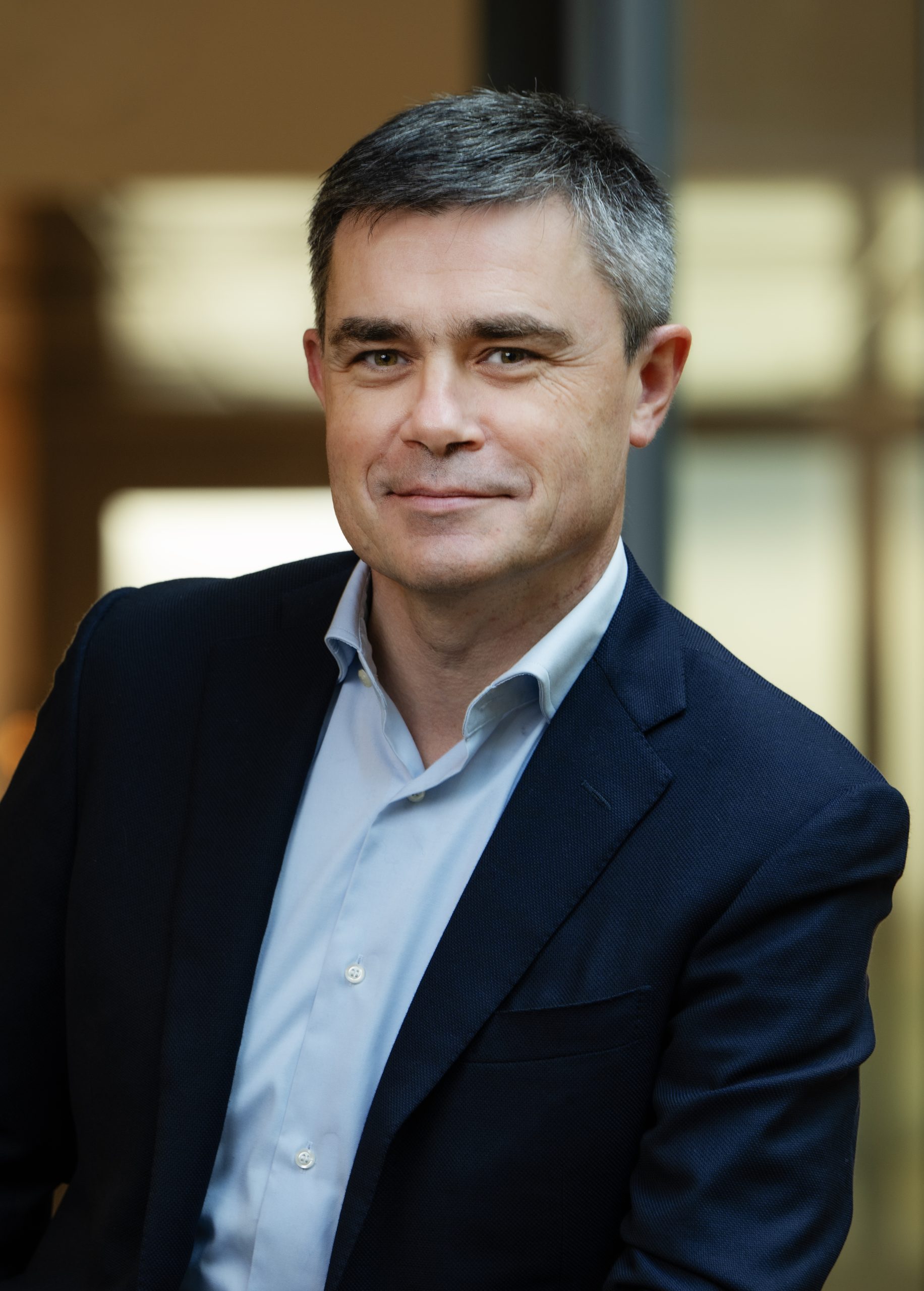
Paul-Yves L’ANTHOËN
At 55 years old, Paul-Yves L’Anthoën took office on March 2, 2026. He is Avril’s third Chief Executive Officer since its creation in 1983, succeeding Philippe Thillous-Borde (1983–2011) and Jean-Philippe Puig (2012–2026).
After studying agricultural engineering at Université Laval (Canada), Paul-Yves began his professional career in 1997 with the Roullier Group as a Market Manager in Canada and the United States.
In 2001, upon returning to France, he joined the GLON Sanders group as a Branch Manager. From 2006 onward, he held several successive CEO positions within major French cooperatives: at Vivescia (2006–2013), then Terrena (2013–2017), and finally Axéréal (2017–2025).
In October 2025, the Board of Directors of Avril Gestion selected him to lead the Group and continue its development in service of France’s agricultural sector. He joined Avril in November to support the transition alongside Jean-Philippe Puig, before officially succeeding him on March 2, 2026.
Coming from a Breton farming family spanning several generations, Paul-Yves has maintained a deep connection to the agricultural world and its values. Trained as an agricultural engineer (Université Laval, Canada), he also holds degrees in financial management and leadership from McGill University and HEC Paris (Executive MBA).
Photo: William Beaucardet